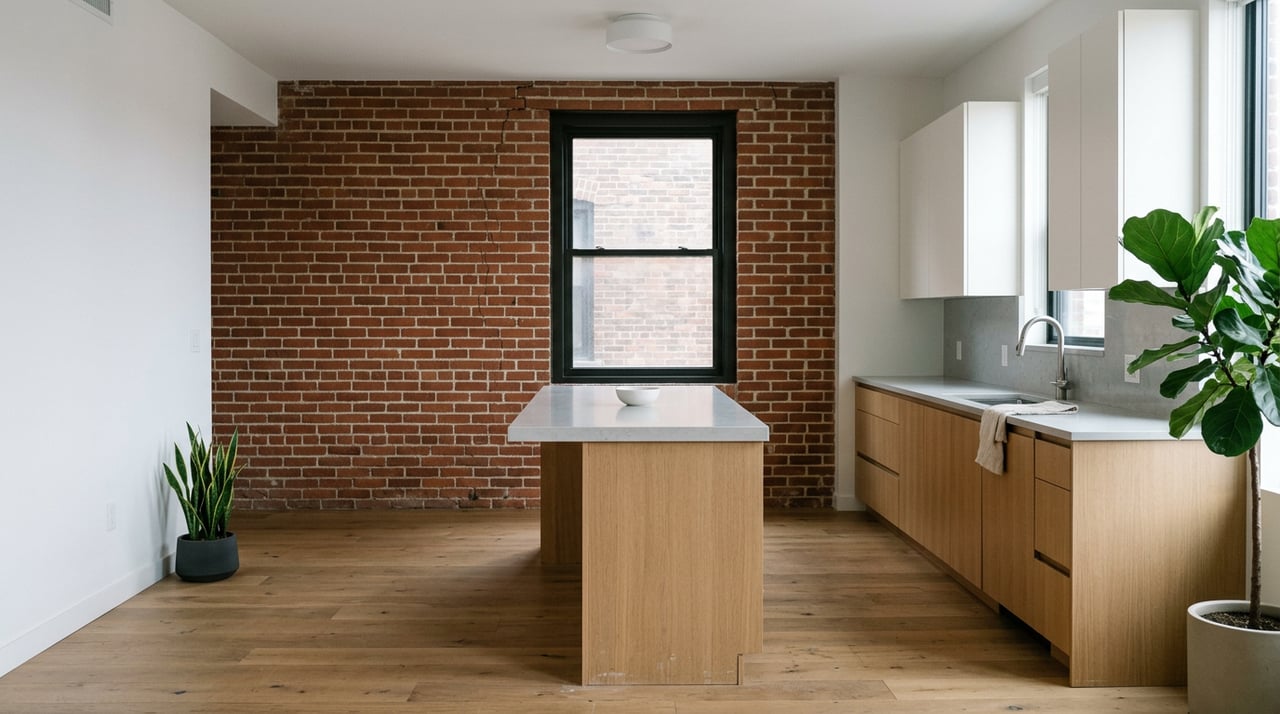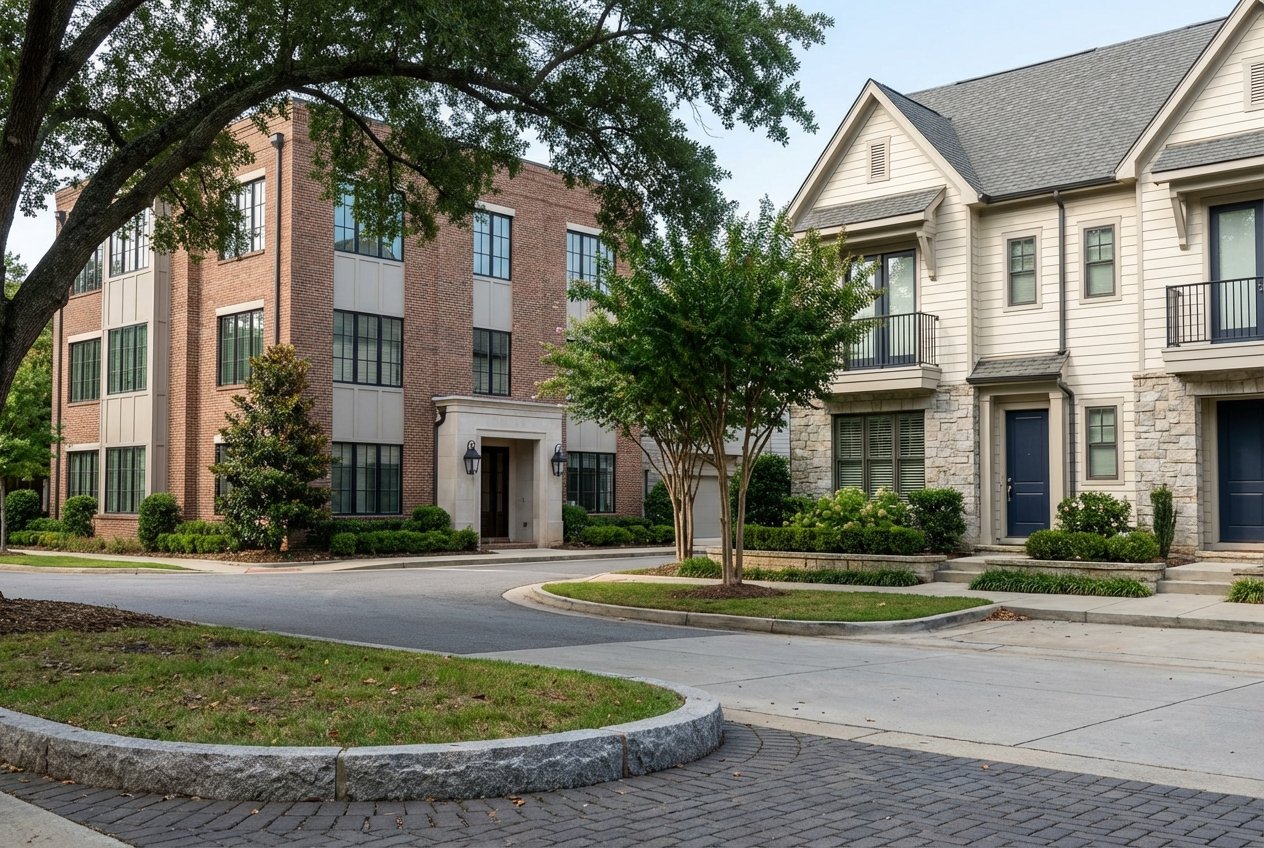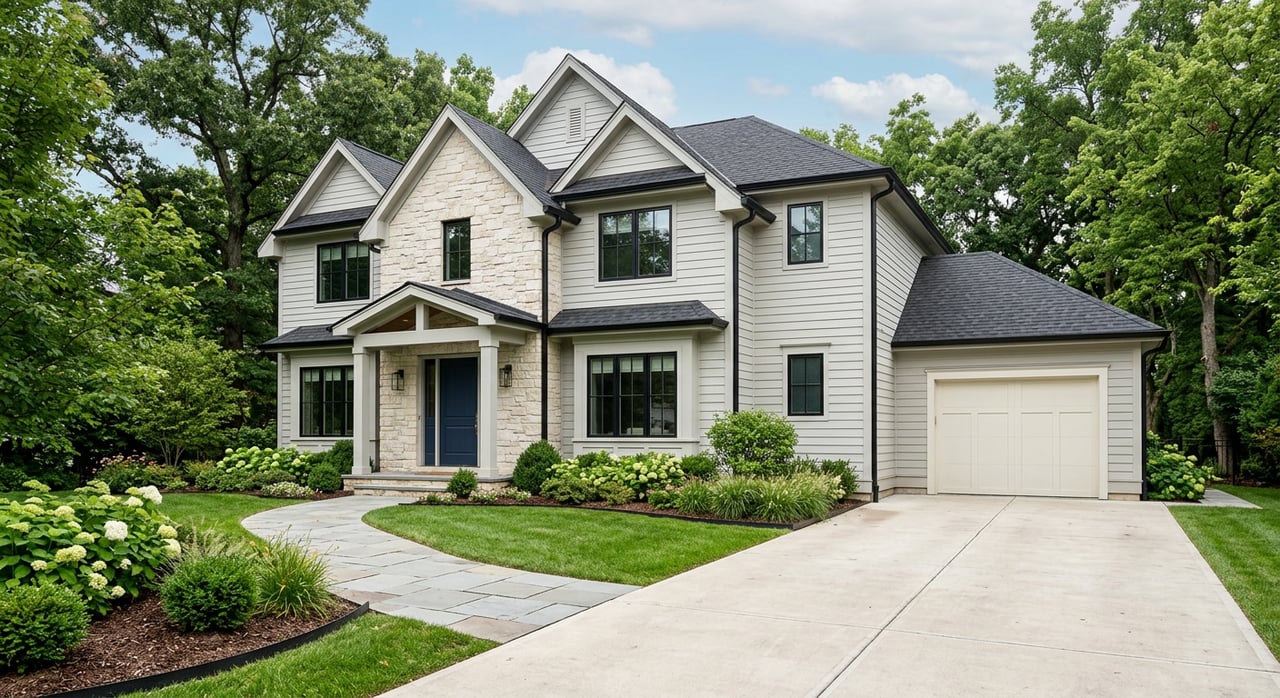
Looking at your first investment in Atlanta’s 30312 and wondering where to start? You are not alone. The intown market is dynamic, and small decisions on taxes, permits, rents, and financing can move your returns a lot. In this guide, you will get a clear snapshot of today’s 30312 landscape, simple underwriting steps, an illustrative deal example, and the city and state rules that matter to your bottom line. Let’s dive in.
Why 30312 appeals to first-time investors
Snapshot: prices, rents, demand
Zillow reports a typical 30312 home value around $449,800 as of Feb 28, 2026, with an active mix of condos, older single-family, and small multifamily options. You can review current pricing and rental trends on the Zillow 30312 market page.
Observed asking rents in 30312 have been about $1,900 to $2,000 per month in recent months, which is consistent with a central Atlanta ZIP. Proximity to downtown jobs, entertainment, and transit supports demand, but micro-neighborhood conditions can vary by block. Always confirm recent sales, active listings, and area plans before you write an offer.
What those numbers imply about yield
At median prices and average rents, many simple buy-and-hold deals in 30312 produce modest unlevered yields. Investors who succeed here typically buy at a discount, create value through renovation or unit mix, or choose financing and strategies that improve early cash flow. You will see this play out in the example below.
Underwriting basics you can trust
Use these definitions to evaluate any property, then plug in live local comps.
- Net Operating Income (NOI): scheduled rent plus other income, minus vacancy and operating expenses. This is income before debt service.
- Capitalization Rate (Cap Rate): NOI divided by purchase price, expressed as a percent. Helpful for quick pricing comparisons across deals.
- Cash-on-Cash Return: annual pre-tax cash flow divided by your total cash invested. Useful for leveraged deals.
- Gross Rent Multiplier (GRM): price divided by gross annual rent. A quick screen that ignores expenses.
- Debt Service Coverage Ratio (DSCR): NOI divided by annual debt service. Many investor loans look for DSCR near 1.0 to 1.25 depending on program. You can review common DSCR guidelines here: DSCR loan overview.
A real-world 30312 example (illustrative)
Here is a simple model to show how the math works. Always replace these figures with current comps and quotes.
- Purchase price: $450,000 (near the current Zillow median for 30312 as of Feb 28, 2026)
- Market rent: $1,946 per month average from recent Zillow data for 30312
- Gross annual rent: $23,352
- Vacancy allowance at 8 percent: effective gross income about $21,504
- Operating expenses (estimates):
- Property tax: about $6,820 based on a sample millage total. You must verify the parcel’s exact mills.
- Insurance: $1,800 to $2,500
- Maintenance and reserves: roughly 5 to 10 percent of gross rent
- Management: 6 to 10 percent of effective rent if you hire a manager
In this example, NOI is about $9,224. Cap rate equals NOI divided by price, which is about 2.05 percent. That is a low unlevered yield for a plain vanilla purchase, which is why many intown investors focus on buying well below market, renovating to increase rents, or choosing different property types and financing.
Taxes, laws, and permits that shape returns
Property tax: 40 percent assessment and mills
Georgia assesses most residential property at 40 percent of fair market value. Local millage rates are then applied to the assessed value. Review the state’s framework here: Georgia DOR explanation of millage and assessment.
For City of Atlanta properties, total bills typically combine Fulton County, City of Atlanta, Atlanta Public Schools, and any special districts. Fulton County’s general fund millage was publicly reported at 8.87 mills for FY2025. See the county’s notice: Fulton holds millage rate at 8.87 mills.
Illustrative example: if you buy at $450,000, the assessed value would be $180,000. If combined mills were about 37.9, your estimated annual tax would be roughly $6,820. Confirm the exact millage for the parcel before you finalize underwriting.
New Georgia landlord rules you must know
Recent state changes under HB 404, the Safe at Home Act, add a habitability standard, cap security deposits at no more than two months’ rent, and require a three business day notice to pay or vacate before filing many nonpayment dispossessory actions. You can review the legislative summary here: HB 404 summary.
For dispossessory procedure, see OCGA §44-7-50 for demand and notice language: Georgia Code 44-7-50. Update your lease templates and onboarding checklists to align with these rules.
City of Atlanta: STR licensing, permits, and historic approvals
- Short-term rentals in Atlanta require a city license and registration. Plan on posting your license number in ads and handling lodging tax. Review the city’s rules here: Atlanta short-term rental licensing.
- Most rehab work needs permits through the city’s online portal. If the property sits in a local historic or landmark district, exterior changes can require a Certificate of Appropriateness. Start here: Atlanta permitting portal and confirm overlay status via Historic Preservation.
Build permit review and inspections into your budget and timeline. On flips, permit timing can be the difference between a solid profit and a rushed price cut.
Financing options for beginners
- Conventional investor loans: expect higher down payments than owner-occupied loans, often around 15 to 25 percent, and slightly higher interest rates. Local banks and portfolio lenders can be competitive for small single-family or condo investments.
- DSCR and other non-QM loans: underwriting focuses on the property’s cash flow. Down payments commonly start near 20 to 25 percent, and programs look for DSCR near 1.0 to 1.25 depending on lender. Review a primer here: DSCR loan overview.
- Hard-money or bridge loans for flips: faster and more flexible, but plan for higher rates and fees. Build interest, points, and any exit costs into your pro forma, and confirm prepayment or extension terms before you close.
Strategies that work in 30312
- Buy-and-hold with value-add: target cosmetically tired units where light renovation raises rent and reduces vacancy risk. Focus on durable finishes and building systems.
- Small multifamily or duplex: a higher unit count can improve yield compared with a single condo at the same price point.
- Targeted flips: budget conservative timelines, include permit and inspection time, and present a clean finished product. Be disciplined with comps and price to the most recent solds.
- Short-term or medium-term rentals: only where compliant with Atlanta’s STR licensing and neighborhood rules. Run conservative occupancy and rate assumptions.
- Program-friendly rentals: if you plan to accept vouchers, learn the inspection and rent reasonableness process and timeline. This can help stabilize cash flow but adds administrative steps.
Due diligence checklist and local team
Use this sequence to avoid surprises:
- Verify parcel specifics: zoning, historic overlay, lot lines, easements, and any special districts using city resources. Start with Atlanta Historic Preservation for overlay questions.
- Pull utility, code-enforcement, and police call records for the last 12 to 24 months. Ask the seller for utility bills when possible.
- Order a full home inspection and trade-specific inspections as needed. Older homes may call for roof, foundation, HVAC, and environmental checks.
- Run a Comparative Market Analysis for resale and rent using MLS and recent local listings. Cross-check active and leased comps before you finalize rent assumptions.
- Scope repairs with local contractors and get three line-item bids. Confirm what requires a permit through the Atlanta permitting portal and plan for inspections.
- Order title work early. Confirm liens, payoffs, transfer tax, and closing costs.
- Confirm taxes: review the current year tax bill and valuation history. See Fulton’s millage context here: Fulton holds millage rate at 8.87 mills and apply the state’s 40 percent assessment rule from the Georgia DOR to your parcel.
- Build your core team: an intown agent experienced with investor comps, a thorough inspector, a permit-savvy contractor, a local property manager, a real estate attorney, and lenders for conventional, DSCR, and hard-money options.
Common pitfalls and how to avoid them
- Underestimating rehab scope and timeline: Atlanta permits and possible historic approvals add time and cost. Add contingency to both budget and schedule.
- Overstating rent: asking rents can be optimistic. Confirm leased comps and adjust for unit size, finishes, parking, and outdoor space.
- Ignoring new landlord rules: HB 404 changes deposits, habitability, and notice timing. Update leases and notices.
- Over-leveraging on a thin flip: build reserves, model a slower sale, and price to the most recent sold comps.
Your next step
If you like the idea of a 30312 investment but want a steady hand on underwriting, permits, and execution, let’s connect. With data-backed analysis and local relationships, Scott Thomas can help you source the right property, pressure-test the numbers, and navigate the city and state rules so your first deal is set up to perform.
FAQs
What returns are realistic for a first 30312 rental?
- At median prices and average rents, unlevered cap rates can be modest near 2 to 3 percent; stronger results usually come from buying below market, adding value, or choosing higher-yield property types.
How do Fulton County property taxes impact cash flow?
- Georgia assesses at 40 percent of market value, then applies combined mills; in the city, the bill blends county, city, and school rates, so verify exact parcel mills before closing.
What did Georgia’s HB 404 change for landlords?
- It added a habitability standard, capped security deposits at two months’ rent, and requires a three business day pay-or-vacate notice before many nonpayment filings.
Are short-term rentals allowed in Atlanta’s 30312?
- Yes, but you need a city short-term rental license and must follow advertising and tax rules; always confirm neighborhood-specific limits before you buy.
Do I need permits for a cosmetic flip in Atlanta?
- Most structural, electrical, plumbing, and exterior envelope work needs permits; historic district homes may also require a Certificate of Appropriateness for exterior changes.
Can I qualify with a DSCR loan on my first deal?
- Many DSCR programs allow first-time investors if the property’s income supports debt service, often targeting a DSCR near 1.0 to 1.25 with down payments around 20 to 25 percent.