Trying to decide between a condo and a single-family home in Buckhead? You are not alone. Many buyers are weighing lower-maintenance living against more space, privacy, and control, especially in a neighborhood where multifamily housing plays a major role. This guide breaks down the real tradeoffs, current Buckhead pricing context, and the questions that matter most before you make a move. Let’s dive in.
Buckhead Housing at a Glance
Buckhead is a market where condos are a major part of the housing picture. According to an Atlanta Regional Commission housing plan, 68% of occupied housing units are multifamily, compared with 32% single-family. The same report notes that many of Buckhead’s multifamily buildings are large developments with more than 250 units.
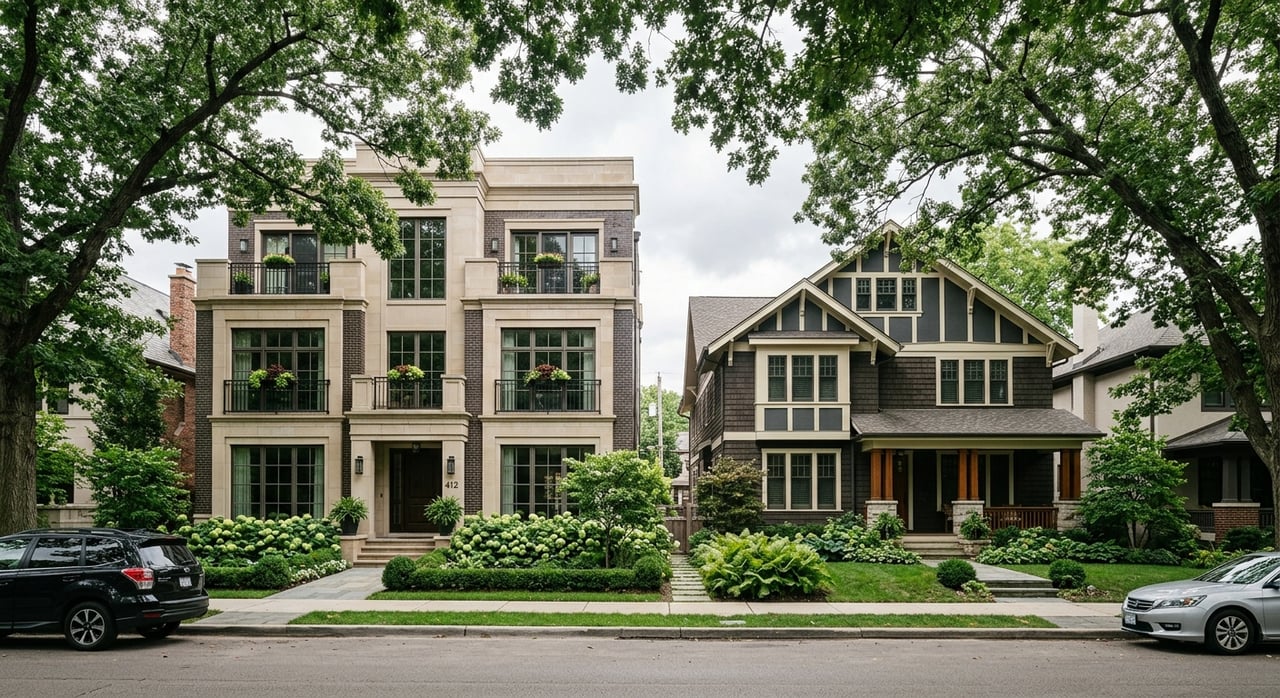
That matters because your choice is not just about square footage or price. In Buckhead, condo living is part of the area’s core housing mix, while detached homes tend to offer a different ownership experience. If you are shopping here, it helps to compare not just listings, but also lifestyle, monthly costs, and long-term flexibility.
Price Differences in Buckhead
Current market snapshots show a noticeable pricing gap between condos and detached homes in Buckhead. Redfin’s Buckhead market data reports a median sale price of $631,250 in February 2026, with homes selling in about 94 days and the average sale closing around 3% below list price. Redfin also shows 546 condos for sale at a median listing price of $309K, while a Buckhead single-family search snapshot on Realtor.com puts the median listing home price at $439,000.
These are directional snapshots, not perfectly matched apples-to-apples comparisons. Still, they help frame a common Buckhead reality: condos often offer a lower entry price point, while single-family homes may require a larger upfront budget. If affordability is a top factor, a condo may open the door to Buckhead sooner.
Condo Living in Buckhead
A condo can be a strong fit if you want simplicity and shared amenities. Fannie Mae defines a condo as an individually owned unit within a larger building or community, with shared facilities owned collectively by unit owners. In most cases, the community is governed by an HOA that sets rules, collects fees, and manages common elements.
In Buckhead, that setup often aligns with larger residential buildings and a more amenity-driven lifestyle. Because so much of the area’s housing stock is multifamily, condo living can feel especially well integrated into the local market. For buyers who value convenience, building services, and less exterior upkeep, that can be a real advantage.
Condo Pros
- Lower entry price in many cases
- Less direct responsibility for exterior maintenance
- Shared amenities may be included through HOA dues
- Often a practical option for buyers who want a more lock-and-leave lifestyle
Condo Tradeoffs
- HOA rules can limit certain changes or uses
- Monthly dues add to your housing costs
- Special assessments can arise for major repairs or reserve shortfalls
- Financing may involve extra project-level review
Single-Family Living in Buckhead
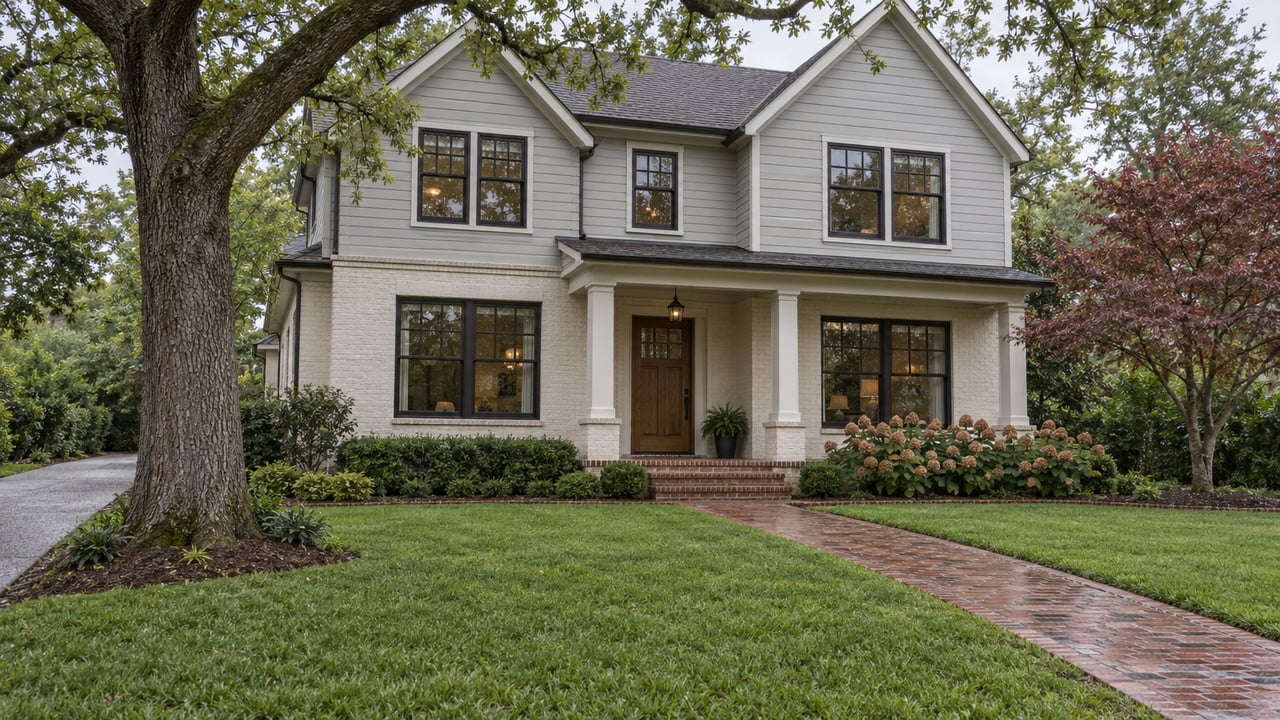
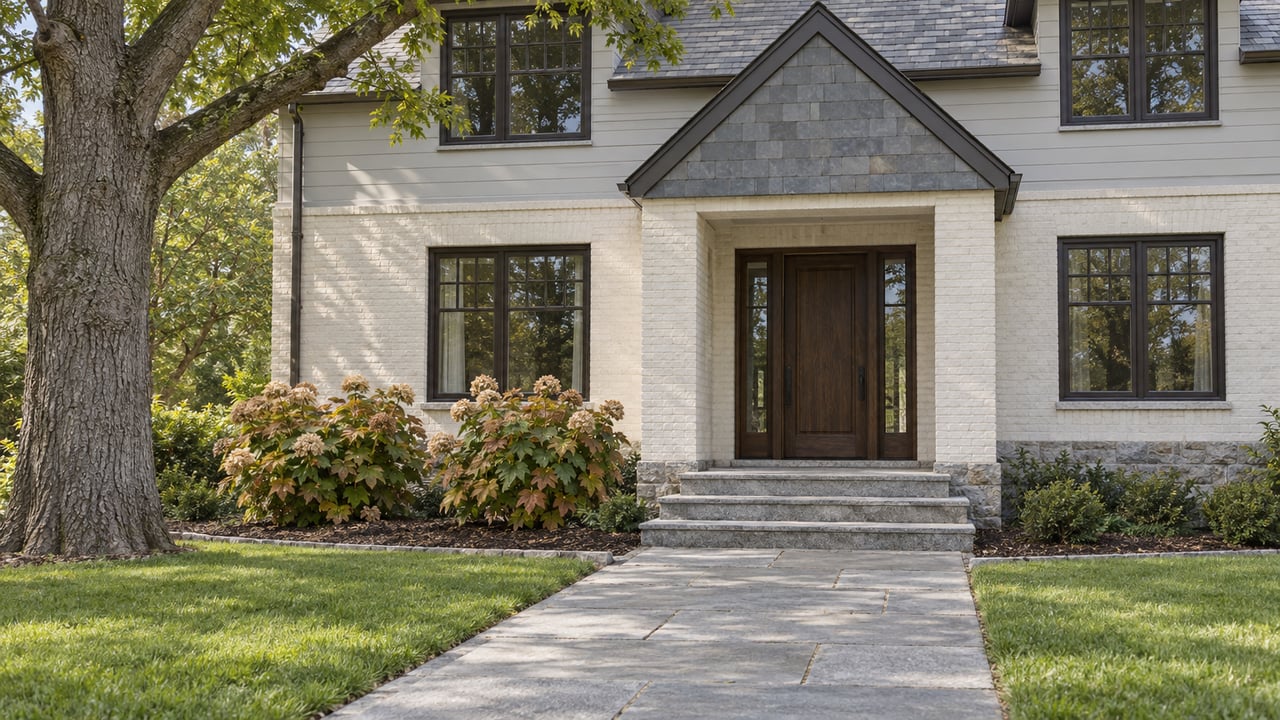
A single-family home usually offers a different kind of ownership experience. While ongoing costs still include taxes, insurance, utilities, and maintenance, you typically have more direct control over the property itself. That often means more freedom around landscaping, updates, and how you use your outdoor space.
For many buyers, the appeal comes down to autonomy. If you want more privacy, more separation from neighbors, and the ability to plan long-term improvements on your own timeline, a detached home may feel like the better fit. That said, the tradeoff is usually more hands-on maintenance and a larger repair budget over time.
Single-Family Pros
- More control over the property
- More private outdoor space in many cases
- Greater flexibility for future updates and customization
- No condo association governing shared building systems
Single-Family Tradeoffs
- Higher entry cost in many cases
- More responsibility for repairs and upkeep
- Larger maintenance budget over time
- Exterior issues are usually yours to manage directly
Privacy and Control Differences
One of the clearest differences between condos and detached homes is how decisions get made. In a condo, owners share ownership of common areas and exterior elements, and the HOA or association board generally oversees rules and approvals. As Fannie Mae explains, exterior painting, landscaping, or structural changes may require approval.
That shared structure can be helpful if you want consistency and professional management. But if you prefer full control over how your home looks and functions, a single-family home usually gives you more independence. In simple terms, condos often involve more shared decision-making, while detached homes usually offer more autonomy.
Maintenance and Monthly Costs
It is easy to focus on purchase price and overlook ownership costs. The Consumer Financial Protection Bureau notes that owning a home can include principal and interest, mortgage insurance, property taxes, homeowners insurance, HOA fees, maintenance, repairs, and utilities. Your monthly budget should reflect all of those categories, not just your mortgage payment.
With condos, HOA dues are a big part of the picture. The CFPB says condo or HOA fees are typically paid separately from the mortgage and can range from a few hundred dollars to more than $1,000 per month. Those fees may cover exterior repairs, common-area maintenance, water, sewer, trash, insurance, reserves, and amenities.
With a single-family home, you may avoid condo dues, but you take on more direct maintenance exposure. Roof repairs, exterior painting, landscaping, drainage issues, and other upkeep items generally fall on you. For some buyers, that feels worth it. For others, the predictability of shared expenses in a condo is more appealing.
Watch for Special Assessments
If you are considering a condo in Buckhead, special assessments deserve close attention. Fannie Mae advises buyers to review HOA financial statements, reserve funds, bylaws, and any planned assessments. The CFPB also notes that HOAs may charge special assessments for major one-time expenses, unexpected repairs, or reserve shortfalls.
That does not mean condos are risky by default. It means your due diligence matters. A well-managed association with solid reserves can feel very different from a building that has deferred maintenance or upcoming capital needs.
Amenities and Lifestyle Fit
Lifestyle often tips the scale. In Buckhead, where large multifamily buildings are common, condo living may come with a more communal and amenity-oriented experience. Depending on the building, HOA dues may support features such as recreational amenities, shared gathering spaces, and professionally maintained common areas.
A detached home offers a different rhythm. You may give up certain shared amenities, but gain more private space and fewer building-wide decisions. Neither option is universally better. The right fit depends on how you want to live day to day.
Financing Differences Matter
Financing is one area where condos can differ sharply from single-family homes. Fannie Mae explains that condo loans may face extra project-level scrutiny tied to building health, critical repairs, insurance, litigation, and whether the project has hotel or short-term-rental characteristics. A condo unit can be perfectly attractive to a buyer and still face lending issues if the project does not meet certain requirements.
There is some encouraging context here. Fannie Mae reported in August 2025 that only 3.6% of projects had an ineligible status, with insufficient master insurance and critical repair issues being the top reasons. Still, it is smart to verify eligibility early, especially if you are using conventional financing.
FHA financing can also depend on project status. HUD states that FHA can insure a one-family unit in an FHA-approved condo project or one that qualifies for single-unit approval, subject to requirements tied to insurance, financial condition, legal matters, physical condition, owner-occupancy, and other standards. If financing flexibility is important to you, ask those questions up front.
How to Choose the Right Fit
If you are deciding between a condo and a single-family home in Buckhead, start with your priorities rather than the listing photos. A condo may make sense if you want a lower entry price, shared amenities, and less direct exterior maintenance. A single-family home may make more sense if you value privacy, yard space, and the freedom to customize over time.
A few questions can help clarify your path:
- Do you want lower-maintenance living or more control?
- Are monthly HOA dues acceptable if they reduce direct upkeep?
- Would you rather have amenities or private outdoor space?
- How important is future rental flexibility?
- Are you comfortable reviewing HOA documents and project finances?
- Do you plan to stay for a few years or much longer?
For buyers who may move again in a shorter time frame, condo-specific due diligence is especially important. Reserve strength, planned assessments, project rules, and lending eligibility can all affect your future resale or financing options. For buyers with a longer timeline, a single-family home may offer more long-term control, but it also requires more planning for repairs and upkeep.
A Smart Buckhead Strategy
In Buckhead, your decision should reflect both the market and your lifestyle. Since multifamily housing makes up such a large share of the area, condos are not a niche option here. They are a meaningful part of how people buy and live in the neighborhood. At the same time, detached homes continue to appeal to buyers who want more space, privacy, and independence.
The best move is to compare the full ownership picture, not just the purchase price. When you weigh monthly costs, governance, maintenance, amenities, and financing together, the right answer becomes much clearer. If you want help comparing Buckhead condos and single-family homes with a local, data-informed lens, connect with Scott Thomas for tailored guidance.
FAQs
What is the main difference between condo and single-family living in Buckhead?
- In Buckhead, condos generally offer lower-maintenance living and shared amenities, while single-family homes usually offer more privacy, outdoor space, and control over the property.
Are condos typically less expensive than single-family homes in Buckhead?
- Current Buckhead market snapshots suggest condos often have a lower entry price point, with Redfin showing a median condo listing price of $309K versus a higher single-family listing snapshot in Buckhead.
What condo costs should buyers in Buckhead plan for?
- In addition to your mortgage, you should plan for HOA dues, property taxes, insurance, utilities, and the possibility of special assessments.
Why can condo financing be harder in Buckhead?
- Condo financing can involve project-level review for issues like master insurance, critical repairs, litigation, and building eligibility, which is usually less of a factor with detached homes.
How do HOA rules affect condo ownership in Buckhead?
- HOA rules can govern shared areas, fees, maintenance responsibilities, and whether certain exterior or structural changes are allowed, so it is important to review the documents before you buy.
Is a single-family home better for long-term flexibility in Buckhead?
- A single-family home often gives you more flexibility for customization and property decisions, but it also comes with more direct maintenance responsibility and repair planning.