Selling a historic home in Morningside-Lenox Park is not the same as selling a newer property down the street. Buyers in this part of Atlanta often notice the details that make an older home feel rooted in place, from original windows and masonry to porch lines and mature landscaping. If you want to sell with confidence, you need a strategy that respects the home’s character, answers buyer questions early, and supports your price with clear documentation. Let’s dive in.
Why character matters here
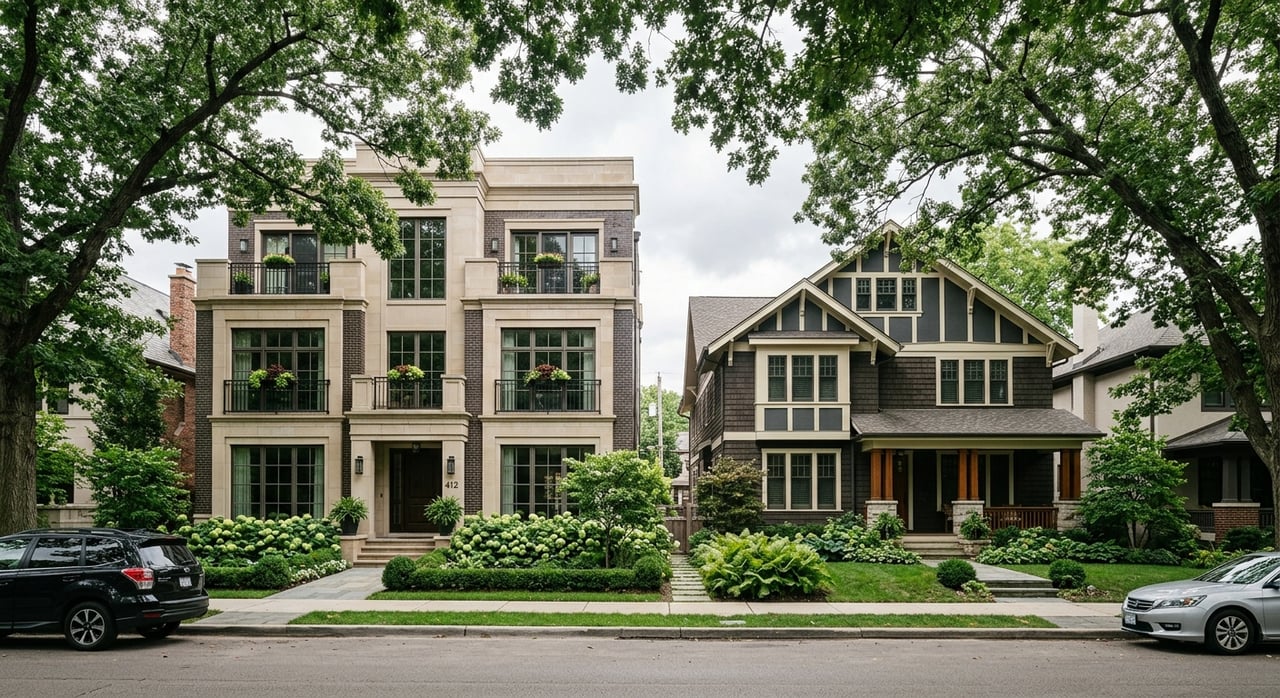
Morningside-Lenox Park developed in the 1920s and 1930s and is widely recognized for its early suburban planning and distinctive architecture. The neighborhood association’s walking tour guide highlights Tudor eclectic homes, Cotswold cottages, model homes, and preserved landmarks that still shape the area’s identity today.
That matters when you sell. In a neighborhood where long-established design and setting are part of the appeal, buyers are often drawn to homes that feel authentic rather than overworked. Your goal is to present the property as well cared for, thoughtfully updated, and true to its original story.
Lead with authenticity
A common mistake with older homes is trying to market them as if they were brand new. In Morningside-Lenox Park, that can backfire. The stronger approach is usually to highlight what remains intact, what has been maintained, and what has been improved in a way that fits the home.
According to the National Park Service, historic features should be repaired rather than replaced when possible, and character-defining materials and spaces should be retained. Its guidance on historic windows and replacement decisions is especially clear: when replacement is unavoidable, the new feature should match the original in design and visual qualities.
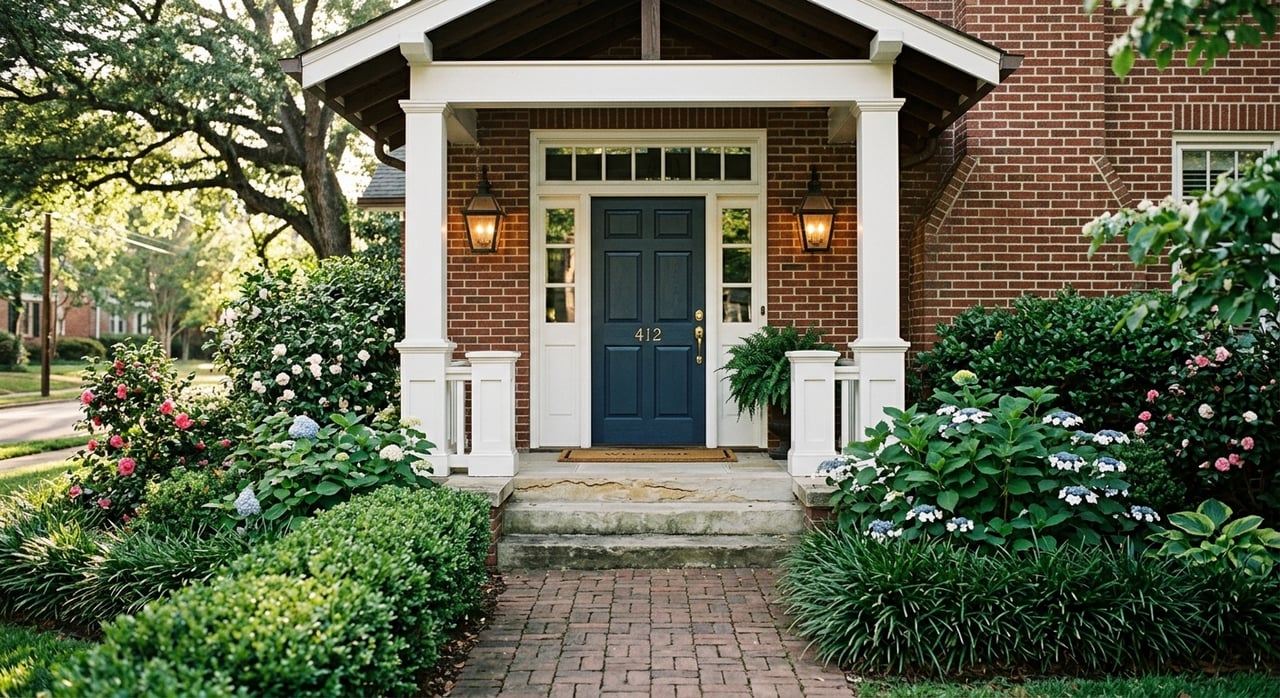
For many homes in 30306, that means buyers may respond well to details like:
- Original or early windows
- Porch details and rooflines
- Brick or stone masonry
- Wood and plaster interior elements
- Mature trees and established site character
These are not just design notes. They help support value when the home is presented with care.
Price for today’s market
Historic appeal can strengthen demand, but it does not erase the need for pricing discipline. In February 2026, Redfin’s Morningside-Lenox Park housing market data showed a median sale price of $1,247,500, median days on market of 111, and a sale-to-list ratio of 97.6%.
That suggests a market where buyers still pay for quality, but they are selective and not always moving fast. If your home has strong architectural integrity, documented updates, and a polished launch, that can help it stand out. But if pricing gets ahead of condition or buyer expectations, extra time on market can follow.
Prepare the home before listing
Older homes benefit from more preparation, not less. Before your listing goes live, it helps to review both visible condition and behind-the-scenes paperwork so buyers feel informed instead of uncertain.
A focused pre-listing review often includes the areas most likely to raise questions in a 1920s or 1930s home. The National Park Service’s rehabilitation guidance consistently emphasizes protection, maintenance, and repair of historic materials before replacement.
Focus on key systems
Buyers will usually pay close attention to:
- Roof condition
- Gutters and drainage
- Masonry and visible cracking or wear
- Windows and weather sealing
- Exterior woodwork
- HVAC, electrical, and plumbing systems
If you can address deferred maintenance before listing, you may reduce negotiation pressure later. Even when you choose not to make every update, knowing the condition helps you price and market the home more effectively.
Organize improvement records
Documentation builds trust. Gather records for major repairs, system updates, exterior work, and any replacement materials that were used over time.
For a historic home, buyers often want clear answers to practical questions, such as:
- What original features remain?
- Which major systems have been updated?
- Were exterior changes permitted when required?
- Are there records for repairs or replacements?
When those answers are easy to provide, your listing feels more credible from the start.
Confirm permits and approvals
If your home had prior exterior work, confirm the paper trail before listing. The City of Atlanta states that permits are issued for construction, alteration, repair, and demolition, and that designated historic properties may also require a Certificate of Appropriateness through the city’s Historic Preservation Studio and zoning services.
Just as important, do not assume that every older home in Morningside-Lenox Park is subject to district-level historic review. Based on the city’s current historic property and district information, Morningside-Lenox Park is not listed among Atlanta’s designated historic districts. That means review requirements may depend on the exact parcel, any separate designation, or another applicable overlay.
This is an important point for sellers. If buyers ask whether previous exterior work needed historic approval, you want a fact-based answer tied to the property, not a general assumption about the neighborhood.
Handle lead disclosure correctly
Because much of the neighborhood’s housing stock dates to before 1978, lead-based paint disclosure may apply to many homes here. The EPA states that sellers of most pre-1978 housing must disclose known lead-based paint information, provide the EPA pamphlet, and give buyers a 10-day opportunity to conduct a paint inspection or risk assessment under the Lead-Based Paint Disclosure Rule.
This is not just a compliance box to check. It is also part of a transparent listing process. When you handle required disclosures early and clearly, buyers are more likely to feel comfortable moving forward.
Tell the neighborhood story well
Your home does not exist in a vacuum. Part of what you are selling is the setting, and Morningside-Lenox Park has a well-documented identity built around long-term character, mature trees, parks, and a connected neighborhood layout.
The Morningside-Lenox Park neighborhood association notes that the area includes more than 20 parks, preserves, greenspaces, and landscaped traffic islands. Its planning materials also emphasize neighborhood character, mobility, and preservation. For buyers, that helps explain why homes here often carry strong emotional appeal along with market value.
Your marketing should reflect that context without overselling. Instead of generic phrases, focus on the home’s architecture, the continuity between the house and its lot, and the broader neighborhood setting that supports its appeal.
Build a smarter listing narrative
For a historic home, the listing description should do more than sound attractive. It should reduce uncertainty and help buyers understand why the home is priced the way it is.
A strong narrative often covers four things clearly:
- Original character that remains intact
- Major improvements to systems or structure
- Exterior work history and any known permits or approvals
- Material disclosures buyers should know upfront
In a selective market, this kind of clarity can make a real difference. Buyers are often more comfortable paying for a home with authentic features when they can also see the upkeep, planning, and transparency behind the presentation.
Why marketing still matters
Even a special home needs the right launch. Strong photography, thoughtful positioning, and broad exposure help buyers see both the beauty and the substance of the property.
That is especially important for a home that may appeal to buyers looking for architecture, location, and story all at once. A polished launch can frame the home correctly from day one, helping buyers appreciate not only what has been preserved, but also how the property fits into the Morningside-Lenox Park market today.
If you are preparing to sell a historic home in 30306, the best results usually come from a balanced strategy: preserve what makes the property distinctive, document what has been improved, price with discipline, and market the home with care. If you want a thoughtful, data-informed plan for your sale, connect with Scott Thomas.
FAQs
What makes a home in Morningside-Lenox Park feel historic to buyers?
- Buyers often notice original or early architectural details, including windows, masonry, porch elements, rooflines, woodwork, plaster features, and mature site character.
Is Morningside-Lenox Park a designated historic district in Atlanta?
- Based on the City of Atlanta’s current district list, Morningside-Lenox Park is not listed as a designated historic district, so you should verify whether your specific parcel has any separate designation or overlay.
What should sellers disclose for older homes in 30306?
- If the home was built before 1978, federal lead-based paint disclosure rules may apply, and sellers should also be prepared to share known information about major updates, permits, and exterior work history.
What should sellers inspect before listing a historic home in Morningside-Lenox Park?
- Common focus areas include the roof, gutters, masonry, windows, exterior woodwork, and major mechanical systems, since these areas often shape buyer confidence and repair discussions.
How should sellers price a historic home in Morningside-Lenox Park?
- Pricing should reflect the home’s condition, documentation, preserved features, and the current neighborhood market, where buyers may still pay for quality but can take time to make decisions.